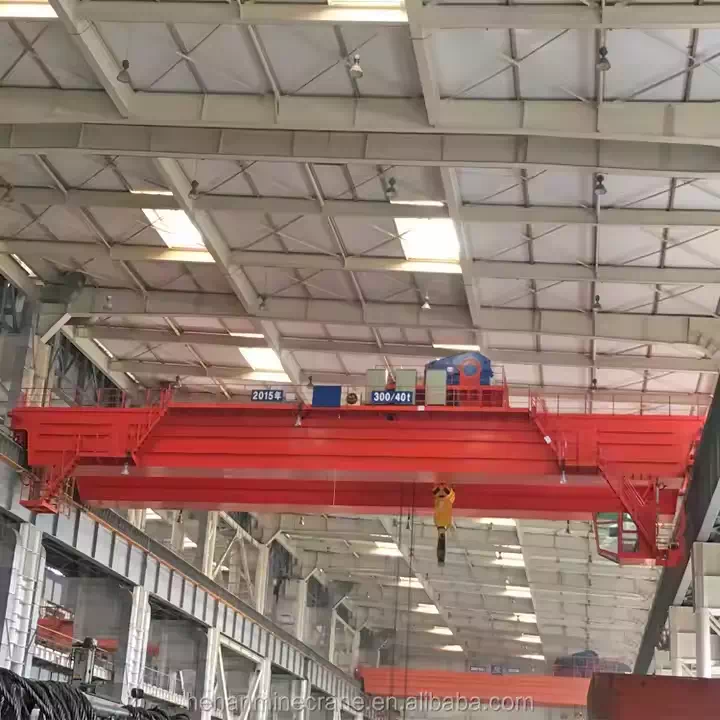
QB Series Explosion-Proof Double Girder Bridge Crane


- A3
- A4
-

 Lifting hook
FEATURED PRODUCTS
-
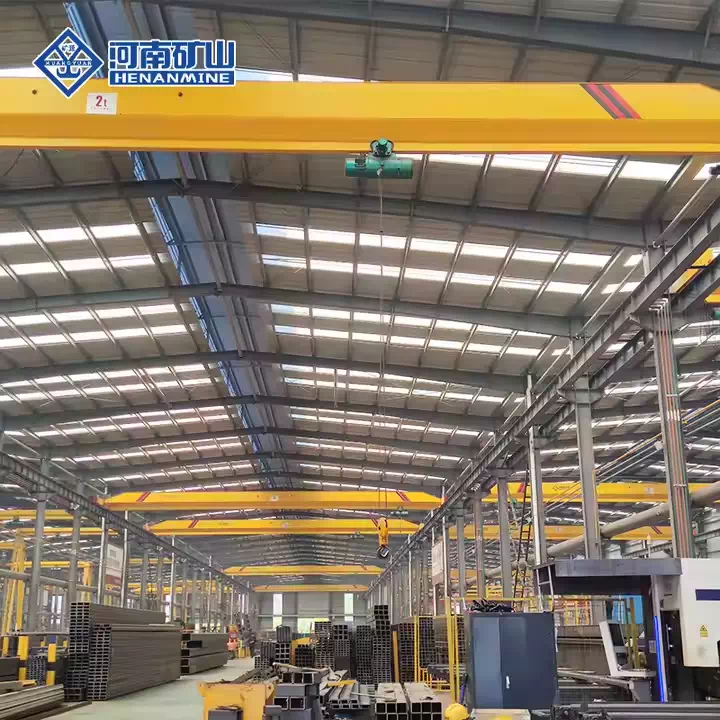 LDA Electric Single Girder Overhead CraneApply: This product is widely used in plants warehouses, material stocks to lift goods.LEARN MORE

-
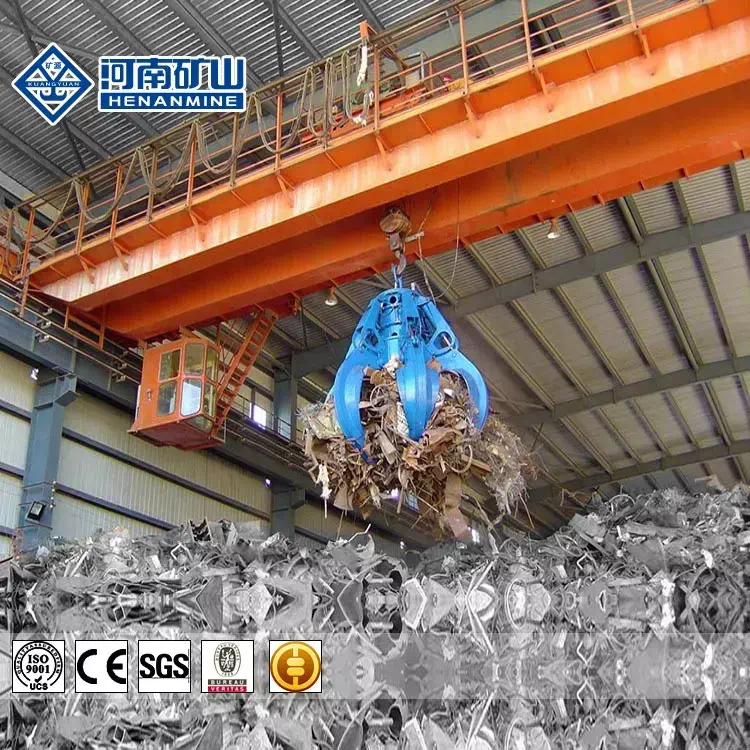 QZ Series Double Girder Overhead Crane with GrabApply: The load handling device is the grab which is able to capture bulk materials.LEARN MORE
-
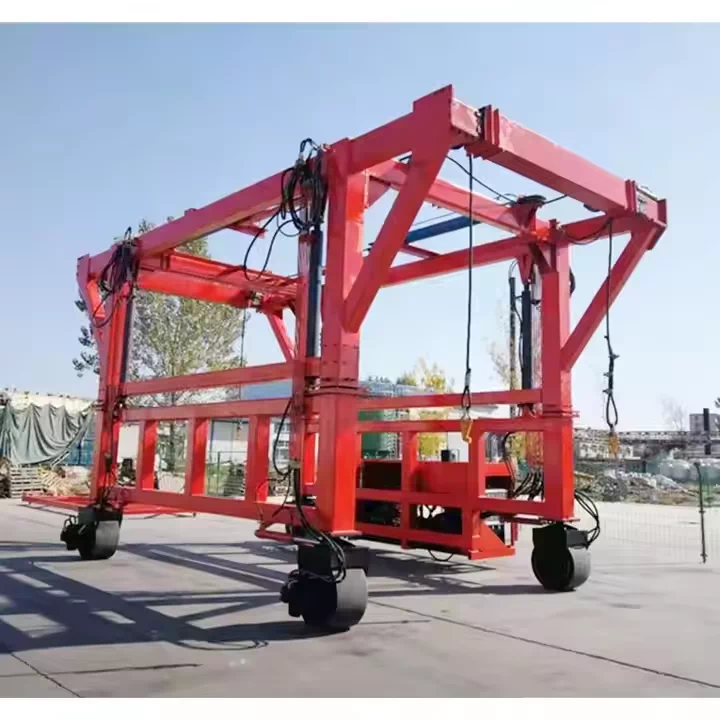 Straddle CarrierApply: Straddle Carrier is a kind of heavy-duty transportation equipment widely used in ports and terminals.LEARN MORE
-
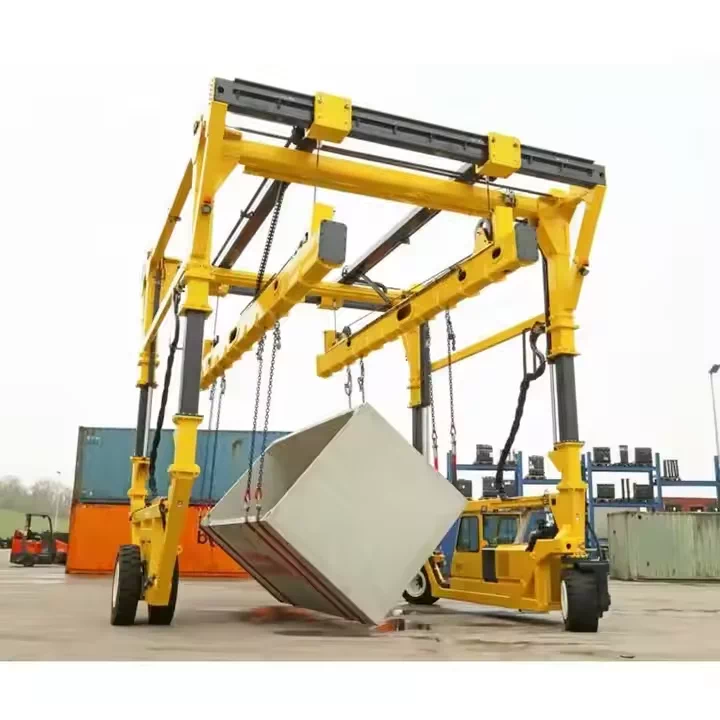 Straddle CarrierApply: Straddle Carrier is a kind of heavy-duty transportation equipment widely used in ports and terminals.LEARN MORE
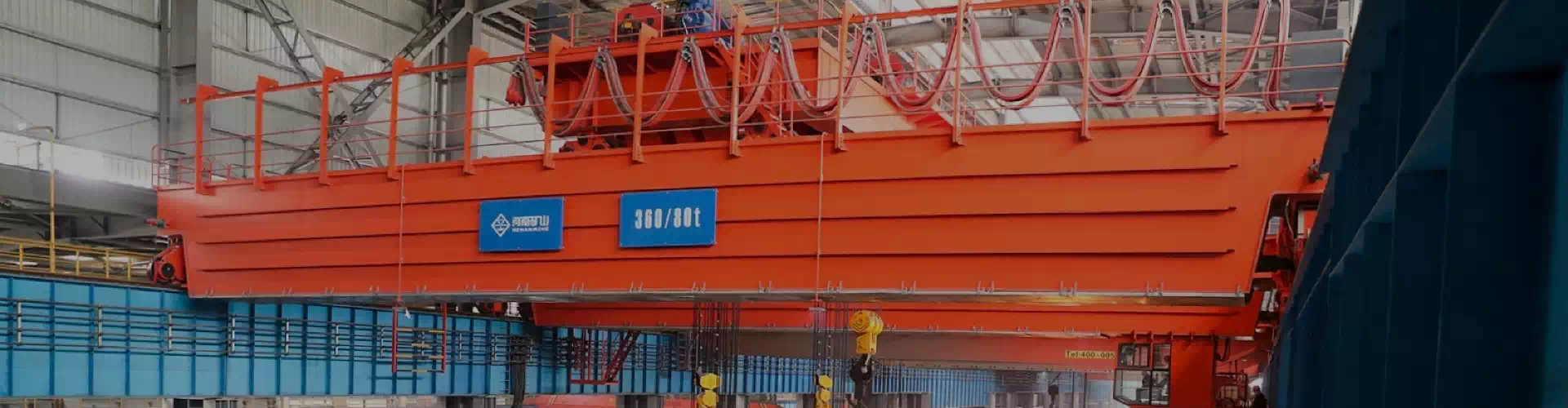
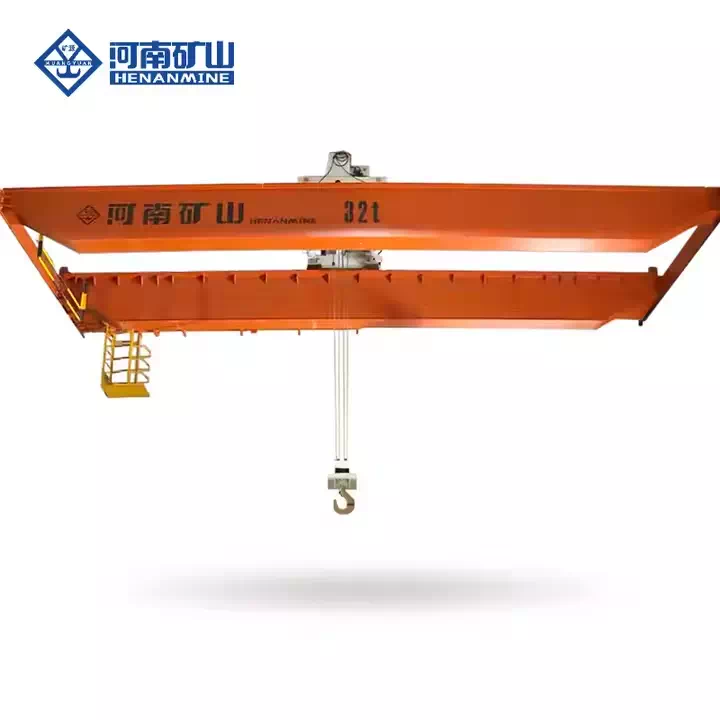
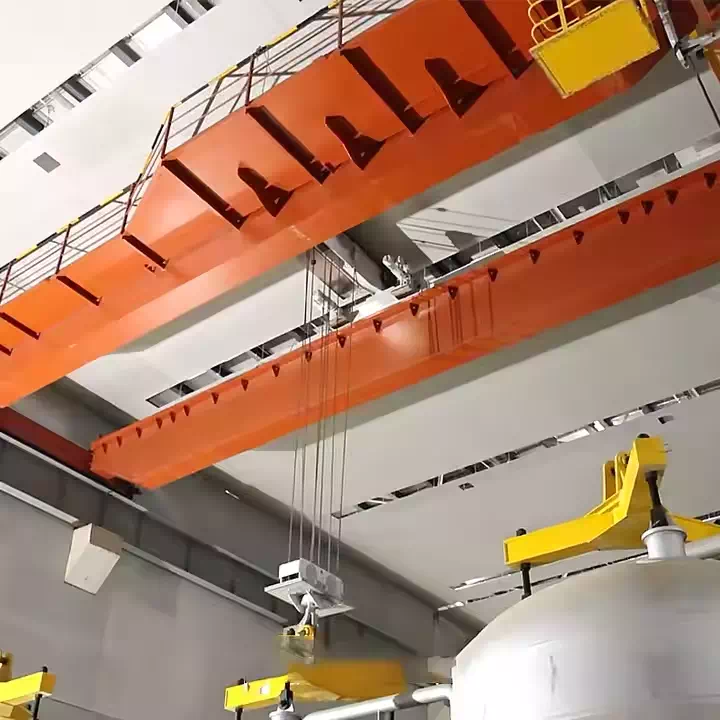
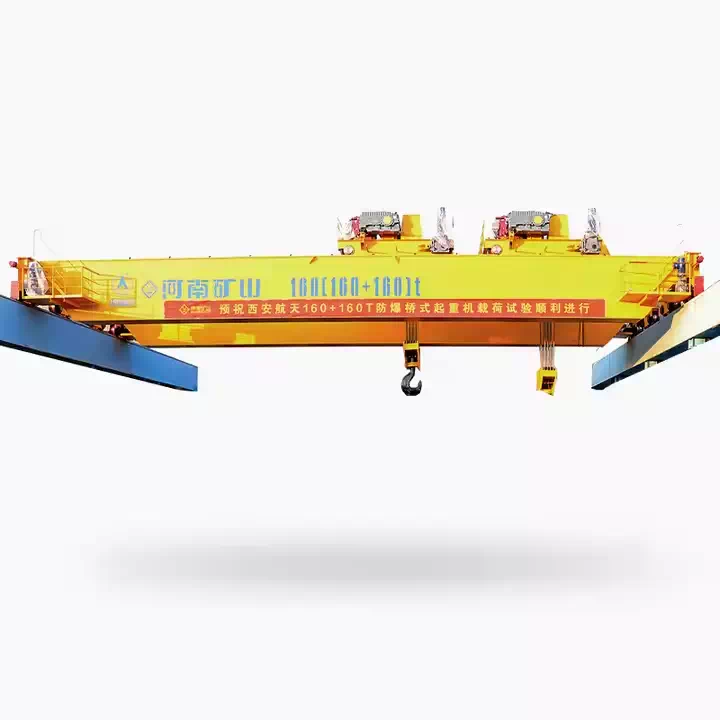
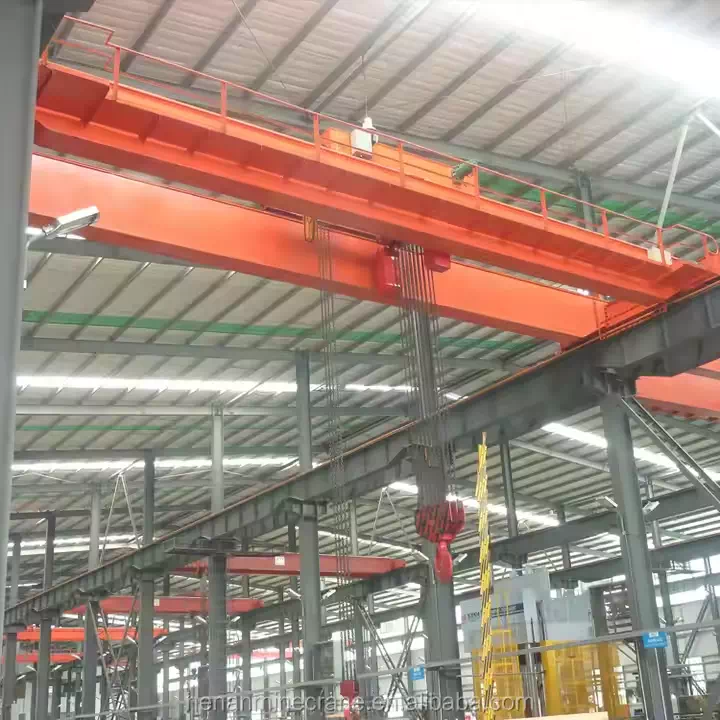
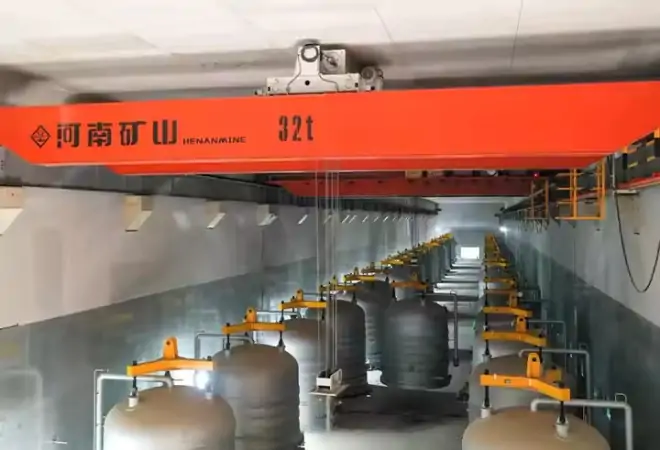
The QB Series Explosion-Proof Double Girder Bridge Crane has a lifting capacity ranging from 10 to 400 tons. Its explosion protection markings can be configured as Ex db IIB T4 Gb or Ex db IIC T4 Gb, making it suitable for hazardous areas with explosive gas atmospheres classified as Zone 1 or Zone 2, subject to the applicable certification.
This explosion-proof double girder overhead crane uses an explosion-proof open winch trolley as its hoisting mechanism. With its high lifting capacity, it is suitable for heavy-duty material handling and industrial facilities with special requirements for hoisting equipment. The lifting parameters and explosion-proof configuration can be customized according to the customer's actual working conditions and operating requirements.
For a quotation, please provide Mine Crane with information about the materials to be handled, maximum lifting weight, hazardous area classification, operating frequency, and any special working conditions. Our technical team will develop a suitable explosion-proof crane configuration based on your site conditions and actual requirements and provide a corresponding quotation.
Specifications
Parameter |
Specification |
Product Name |
QB Series Explosion-Proof Double Girder Bridge Crane |
Lifting Capacity |
10t–400t |
Span |
Customized |
Main Hook / Auxiliary Hook |
According to Actual Configuration |
Working Class |
A4 / A5 |
Working Temperature |
-20°C to +40°C |
Power Supply |
3-Phase AC, 50Hz, 380V; Other Voltages Available Upon Request |
Lifting Height |
Customized |
Hoisting Speed |
According to Actual Configuration |
Crane Traveling Speed |
According to Actual Configuration |
Trolley Traveling Speed |
According to Actual Configuration |
Max. Wheel Load |
According to Design Specifications |
Control System |
According to Actual Configuration |
Hoisting Mechanism |
Explosion-Proof Open Winch Trolley |
Explosion-Proof Type |
According to Actual Configuration |
Explosion-Proof Marking |
Ex db IIB T4 Gb / Ex db IIC T4 Gb |
ATEX Marking (If Applicable) |
II 2G Ex db IIC T4 Gb |
Hazardous Area Classification |
Zone 1 / Zone 2 |
Gas Group |
IIB, IIC optional |
Temperature Class |
T4 |
Explosion-Proof Electrical Components |
Explosion-Proof Motors, Brakes, and Electrical Components |
Motor Enclosure Protection Rating |
IP55/IP56 |
Motor Insulation Class |
Class F (Class H optional) |
Explosion-Proof Certification |
CNEX Certificate; ATEX / IECEx available upon request |
Noise Level |
≤85 dB(A) |
Color |
Red, Yellow, Blue, or Customized |
Design Standard |
GB/T 3811-2008 |
Safety Standard |
GB 6067.1-2010 |
Main Girder and End Carriage Material |
Q235 Carbon Steel Plate |
Explosion-Proof Electrical Equipment Design
The QB explosion-proof double girder crane is designed with explosion protection measures for use in hazardous industrial environments. The main considerations include preventing electrical equipment from overheating, limiting dust and moisture ingress, and ensuring reliable electrical connections, thereby reducing potential ignition risks.
1. Electrical Equipment Temperature Control
Under full-load operation, frequent starting and stopping, voltage fluctuations, and high ambient temperatures, electrical equipment may generate excessive heat. The maximum surface temperature of relevant equipment must therefore remain within the limits specified by its temperature class to prevent it from becoming an ignition source for flammable gas mixtures.
In addition to selecting specially designed explosion-proof motors and electrical enclosures, Mine Crane considers heat generated during crane operation and takes measures such as:
Controlling Equipment Temperature Rise: Optimizing heat dissipation structures to prevent equipment from overheating during prolonged operation.
Matching the Gas Group: Selecting explosion-proof equipment that meets the requirements of IIB or IIC according to the types of flammable gases present at the site.
Matching the Hazardous Area Classification: Selecting electrical equipment with the appropriate explosion protection level according to whether the working area is classified as Zone 1 or Zone 2.
2. Electrical Enclosure Protection Against Dust and Moisture
Dust, moisture, and corrosive substances entering electrical equipment may affect the normal operation of electrical components. To address these conditions, Mine Crane provides design measures including, but not limited to, the following:
Selecting suitable enclosure protection ratings, such as IP55 or IP65, according to the working environment.
Sealing electrical cabinet covers, junction boxes, and cable entry points.
Sealing unused spare openings with suitable explosion-proof plugs.
Using appropriate explosion-proof cable glands or sealing devices at cable entry points.
In addition, customers should regularly inspect enclosure joints, cable entries, and sealing components. Any aged or damaged parts should be repaired or replaced in a timely manner.
3. Explosion-Proof Brakes
This crane adopts a dual-brake design. If one brake fails, the other can continue to provide braking according to the specified design requirements, improving the braking safety of the hoisting mechanism and helping maintain stable crane operation.
Both braking devices are equipped with explosion-proof protection corresponding to the crane's explosion protection requirements. This helps reduce potential ignition risks caused by mechanical sparks, friction, or heat during braking in hazardous areas.
How to Choose the Right Explosion-Proof Grade?
When selecting an explosion-proof overhead crane, the hazardous area classification and the types of flammable substances present at the site should be considered. These factors help determine the required explosion protection configuration.
1. Identify the Hazardous Area Classification
First, determine the hazardous area classification of your working environment.
For explosive gas atmospheres:
Zone 0: An explosive gas atmosphere is present continuously, for long periods, or frequently.
Zone 1: An explosive gas atmosphere is likely to occur occasionally during normal operation.
Zone 2: An explosive gas atmosphere is not likely to occur during normal operation, and if it does, it will exist only for a short time.
For explosive dust atmospheres:
Zone 20: An explosive dust atmosphere is present continuously, for long periods, or frequently.
Zone 21: An explosive dust atmosphere is likely to occur occasionally during normal operation.
Zone 22: An explosive dust atmosphere is not likely to occur during normal operation, and if it does, it will exist only for a short time.
2. Identify the Gas Group
Next, identify the types of flammable gases present in the working environment and determine their corresponding gas groups.
Different gases have different ignition and explosion characteristics and are classified into different gas groups:
IIA: Common examples include methane, propane, ethanol, acetone, and ammonia.
IIB: Examples include ethylene, dimethyl ether, and hydrogen sulfide.
IIC: Examples include hydrogen, acetylene, and carbon disulfide.
Note: IIC is the most demanding gas group and can generally cover IIB and IIA applications. IIB-rated equipment can be used in IIB and IIA gas environments, while IIA-rated equipment cannot be used in IIB or IIC environments. The actual application must always be checked against the equipment's certification scope.
This product is suitable for areas where the explosion. transmission is not higher than Il B or Il C and the ignition temperature group of inflammable gas or explosive mixture of steam and gas is not lower than T4. Applicable dangerous zones are zone 1 and zone 2.
QB Double girder overhead crane use stainless steel or nylon crane wheels to avoid the flame by friction. Besides, all the components in electrical system is of high safety by conforming to national and international standards. Henan Mine explosion overhead crane is provided with the highest level of safety, quality and reliability, which is required for hazardous environments such as oil refineries, petrochemical, paint industries, gas power plants etc.