
Flexible KBK Crane


- A3
- M3
- M4
- M5
- M6
-

 Lifting hook
FEATURED PRODUCTS
-
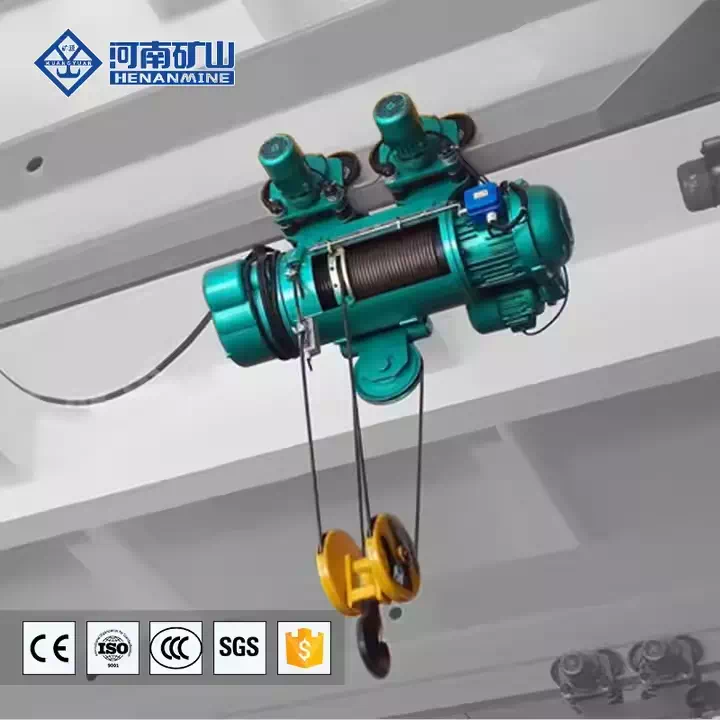 Electric HoistApply: It is used for such places as industrial and mining establishments , warehouses, wharfs, cargo storage areas and shops.LEARN MORE

-
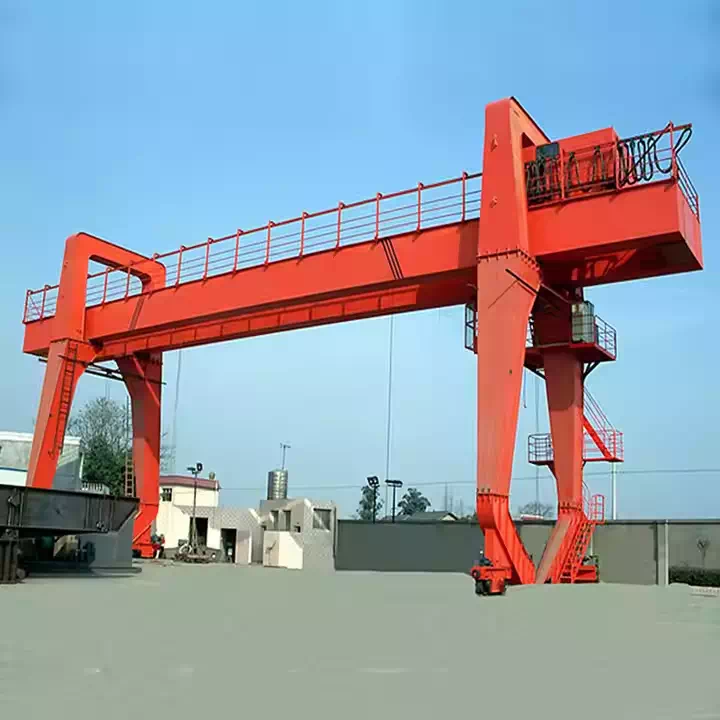 U typed Double Girder Hook Gantry CraneApply: The machine is suitable for railway freight yards, ports, open warehouses, container transfer stations, etc. with large span and frequent loading and unloading operations.LEARN MORE
-
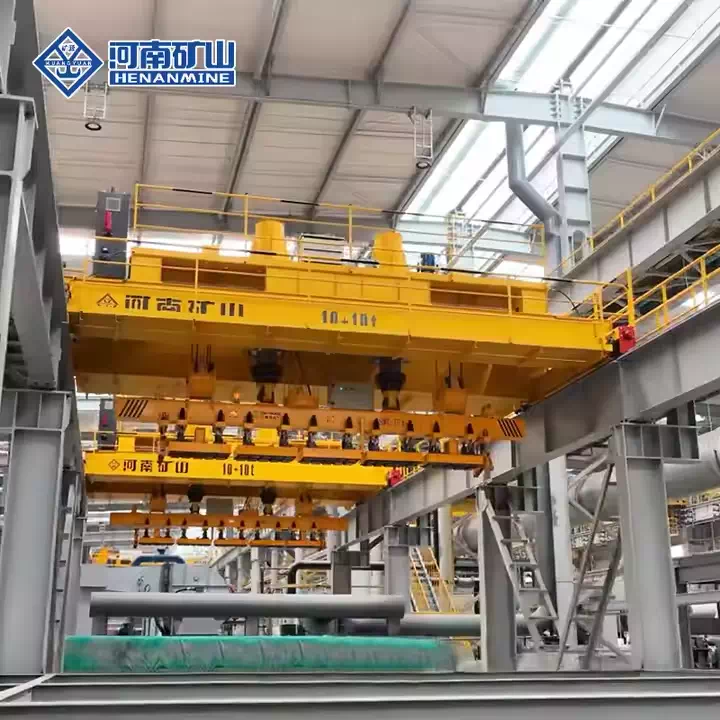 Hang Beam Double Girder Overhead CraneApply: The crane is suitable for loading, unloading and handling steel plates, section steels,coils and other materials in indoor or outdoor fixed spans of steel plants, shipyards, ports, storage yards and warehouses.LEARN MORE
-
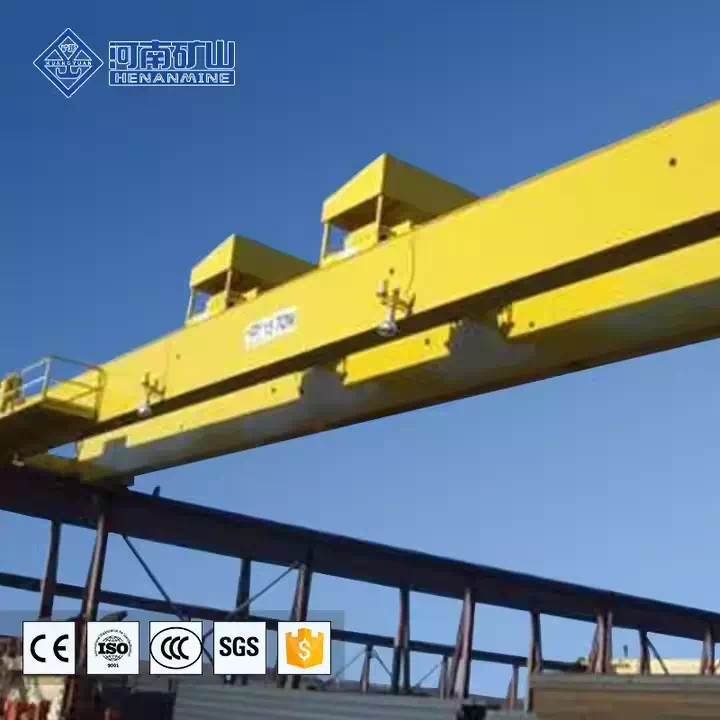 Double Trolley Hook Overhead CraneApply: This crane is suitable to lift long materials(wood, paper tube, pipe and bar)in workshops or outdoor stores in factories and mines.LEARN MORE
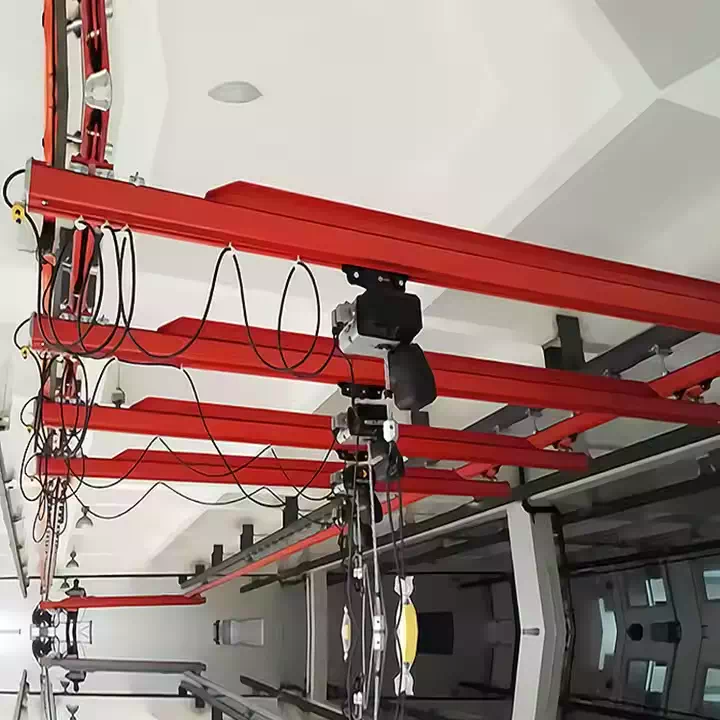
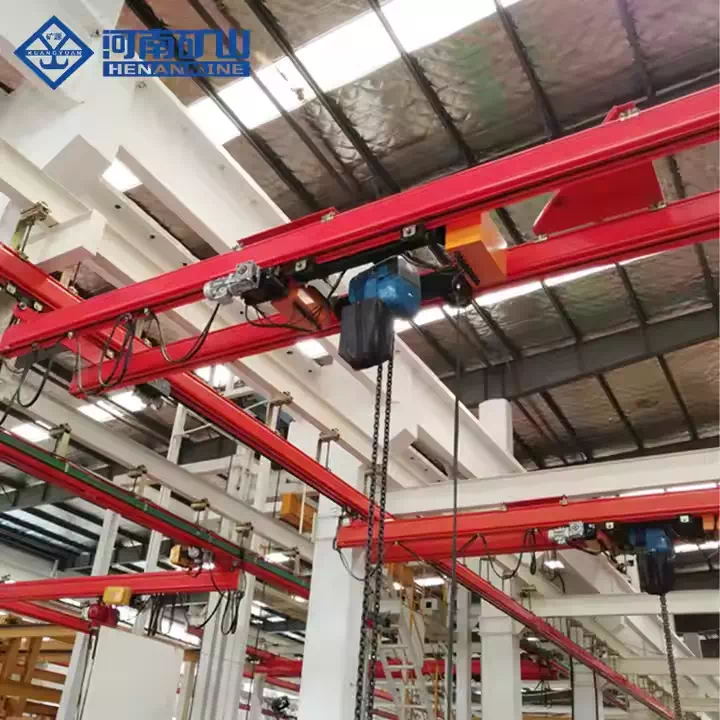
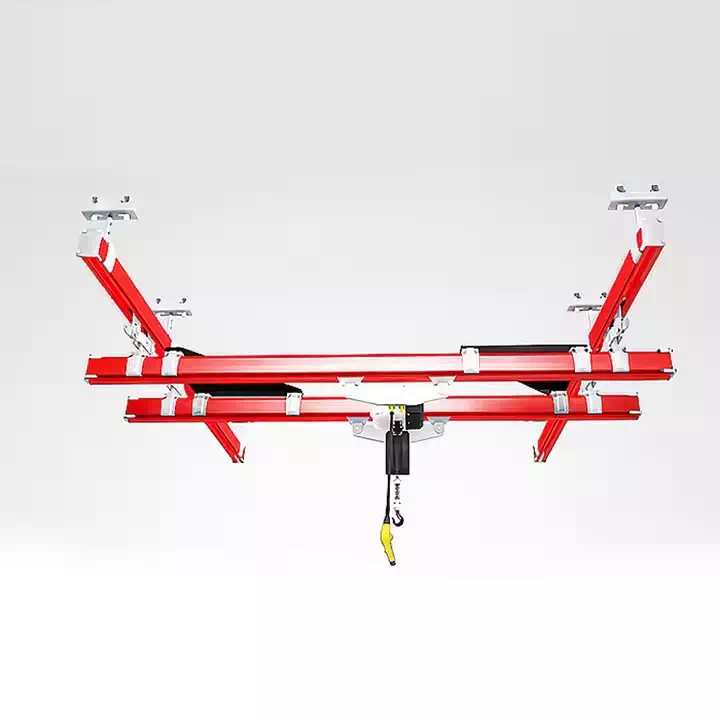
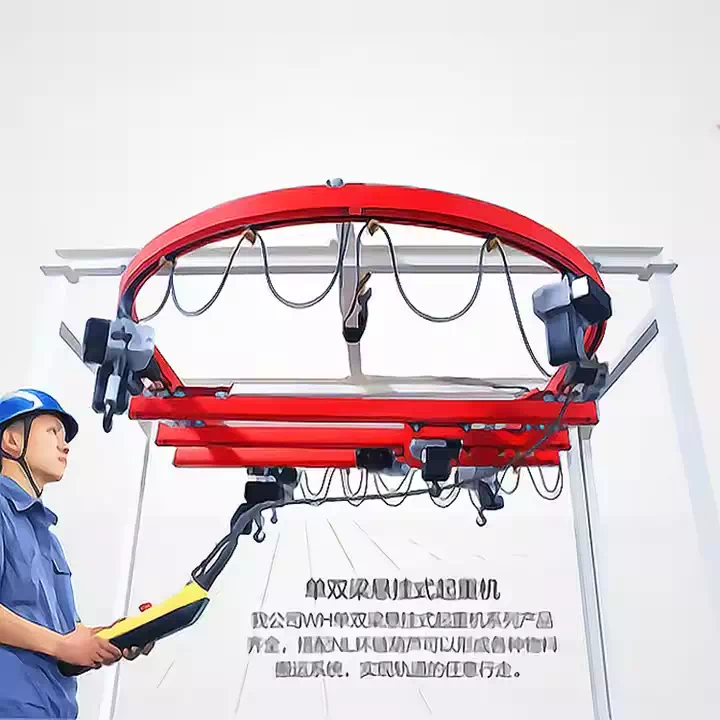
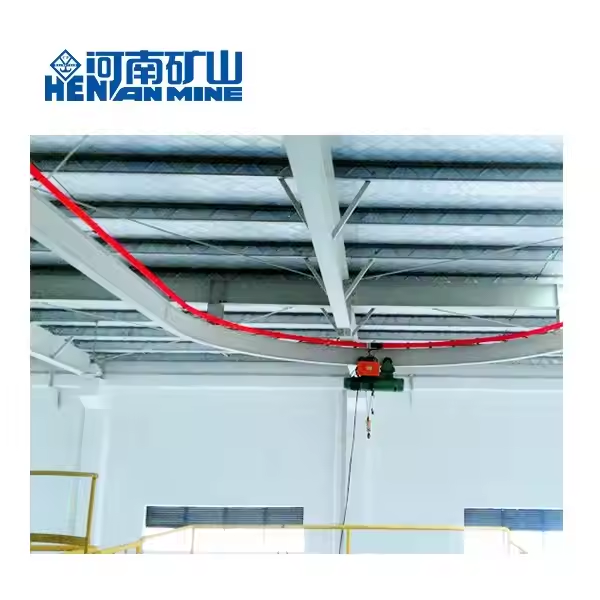
A Flexible KBK Crane System is a modular overhead material handling solution designed for light-duty lifting and workstation applications. Unlike conventional overhead cranes, it typically handles loads ranging from 0.125 to 2 tonnes and offers greater flexibility in track layout and material transfer. Depending on the system configuration, loads can be moved along a single track or across a wider working area, while an electric hoist handles lifting and lowering.
As a modular material handling system, a KBK crane is commonly used in warehouses, automated production lines, sorting areas, mold-changing stations, automotive repair workshops, and packaging areas. It is particularly suitable for applications where loads are relatively light but need to be moved frequently between workstations.
Installation and Commissioning of a KBK Crane System
1. Fast Installation
A suspended KBK overhead crane can be mounted on suitable building roof structures without requiring floor-standing support columns. This helps keep the floor area available for workers, forklifts, and other production activities. The building structure and suspension points must be checked before installation.
2. Modular Connections for Faster Installation
The KBK crane system uses modular components connected mainly by bolts, so on-site welding is generally not required for standard modular connections. With suitable site conditions and an experienced installation team, installation may take around 1–3 days. The actual time depends on the track layout, runway length, mounting conditions, and commissioning requirements.
3. Individual Component Replacement
A KBK flexible crane system consists of components such as tracks, trolleys, rollers, an electric hoist, and braking devices. When a replaceable component is damaged, it may be possible to replace that component separately rather than dismantling the entire system. Compatibility should be checked when selecting replacement parts.
4. Track Alignment and Adjustment
Track positioning joints help maintain the intended alignment during installation. Proper installation and adjustment are still necessary to ensure smooth trolley travel and reduce the risk of running problems. Compared with some conventional overhead crane installations, a modular KBK system can simplify track assembly and adjustment, depending on the support structure and system design.
Common KBK Crane Configurations
Different KBK crane configurations can be selected according to the required lifting area, installation conditions, and material handling process.
Crane type |
Typical English name |
Main application |
Single-track system |
KBK Monorail Crane System |
Transfer along a defined route |
Single-girder suspension crane |
KBK Single-Girder Suspension Crane |
Light-duty handling across a workstation area |
Double-girder suspension crane |
KBK Double-Girder Suspension Crane |
Handling requirements that call for a double-girder arrangement |
The appropriate KBK crane configuration depends on the load capacity, required travel range, lifting height, available installation space, and supporting structure. Not every configuration provides the same coverage area, so the track arrangement should be selected according to the actual application.
Why Choose Us for Your KBK Crane System?
Manufacturing and Quality Control
Each KBK crane system should be inspected and tested according to its design, configuration, and applicable requirements before delivery. Relevant checks may include no-load operation, rated-load testing, limit-device function, electrical insulation, and braking performance.
Inspection records and test reports can be provided according to the project requirements. Where CE conformity or explosion-protection requirements apply, the relevant documentation and certification scope should be confirmed for the specific configuration.
One-Stop Supply of KBK Crane Components
A complete KBK crane system may require tracks, trolleys, an electric hoist, travel drives, limit devices, overload protection, festoon cable systems, and application-specific lifting accessories.
We can configure the required components as a coordinated package according to the project scope. This helps buyers check component compatibility and coordinate procurement through a single supplier.
Multiple Configurations and Customization Options
Standard configurations are available, and customized solutions can be considered according to the application. Options may include track length, track layout, lifting height, electric hoist configuration, electrical accessories, and requirements for special working environments.
For example, an explosion-proof KBK crane or a system with extended suspension rods may require a different configuration from a standard workstation crane. The design, component selection, and applicable certification requirements should be checked before confirming the final solution.
Request a Quote for a KBK Flexible Crane System
If you are planning to install a KBK flexible crane system in an existing workshop or on a new production line, we can review your application requirements and recommend a suitable configuration.
To help us assess your KBK crane project, please share the following information:
Required lifting capacity
Required coverage area and track length
Lifting height
Material handling process and frequency of use
Available installation drawings and information about the supporting structure
Any special environmental or operating requirements
These details help determine the appropriate KBK overhead crane system, track arrangement, support requirements, and component configuration. Contact us to discuss a suitable solution for your workstation lifting and material handling needs.
Flexible KBK crane systems are commonly used in automotive workshops, electronics factories, machinery manufacturing plants, and warehouses.
In assembly workshops, a KBK crane system can be arranged along the production line to transfer components between workstations. In mold-changing areas, it helps lift and move molds within a designated working area. For warehouse operations, a monorail KBK system can be used to transfer materials along a fixed route.
The track layout can be adjusted according to the production process, available installation space, and required lifting coverage.