

European Single Beam Bridge Crane


- A5
-

 Lifting hook
FEATURED PRODUCTS
-
 Hang Beam Double Girder Overhead CraneApply: The crane is suitable for loading, unloading and handling steel plates, section steels,coils and other materials in indoor or outdoor fixed spans of steel plants, shipyards, ports, storage yards and warehouses.LEARN MORE

-
 Low headroom hoistApply: Building Material Shops, Machinery Repair Shops, Manufacturing Plant, Food & Beverage Factory, Construction works.LEARN MORE
-
 L typed Single Girder Hook Gantry Crane with a winchApply: This product is suitable for general loading and unloading and lifting and carrying work in open places.LEARN MORE
-
 Electric HoistApply: It is used for such places as industrial and mining establishments , warehouses, wharfs, cargo storage areas and shops.LEARN MORE
A European Single Beam Bridge Crane looks quite similar to a traditional single girder overhead crane. The main difference lies in its design and construction. European-style overhead cranes are typically designed according to FEM and DIN standards, which are widely used in European crane design.
The European single girder overhead crane manufactured by Mine Crane features a modular design and a compact drive system that integrates a variable frequency motor, a hardened gear reducer, and a disc brake. This modular design helps reduce the space occupied by the drive system and optimize the overall crane structure. Depending on the specific configuration, the crane's self-weight can be reduced by 15%–30%, wheel loads by 15%–30%, and overall crane height by 20%–30%.
Advantages of European vs. Traditional Single Girder Overhead Cranes
Lower Self-Weight, Less Steel Consumption, and Potential Cost Savings
A lightweight overhead crane does not necessarily have a lower purchase price than a traditional single girder overhead crane. However, reduced steel consumption and a lightweight hoisting mechanism can help lower material costs. The lower crane weight can also reduce transportation costs.
For buyers comparing the cost of a European overhead crane with a traditional model, the overall cost should be considered alongside the crane's configuration, transportation, installation, and operating requirements.
Lower Operating Noise and Vibration
Many traditional overhead cranes use conventional gear reducers with relatively bulky gears, which may produce noticeable meshing and impact noise during operation and braking. In comparison, a European single girder overhead crane often uses a high-precision helical gear reducer. The smoother gear engagement helps reduce impact, vibration, and operating noise.
The actual noise and vibration levels depend on the gear reducer, motor, braking system, installation accuracy, and operating conditions.
Lower Failure Rates and Maintenance Costs
The integrated drive system and precise assembly of a European single girder crane can help reduce the number of separate mechanical connections and improve coordination between components. Compared with some traditional designs with separately arranged mechanisms, this approach may reduce certain wear points and simplify maintenance.
The service intervals of the gear reducer and brake depend on their design, component quality, and working conditions. With properly matched components and regular maintenance, a European overhead crane may help reduce maintenance requirements over its service life. Actual failure rates and maintenance costs should be evaluated based on the specific configuration and operating environment.
Greater Hook Coverage and Better Ue of Workshop Space
A European single girder overhead crane typically uses a compact electric hoist and an optimized end carriage design. Compared with bulkier hoisting arrangements, a compact European electric hoist can occupy less space above the crane girder.
The bridge travel arrangement can also be designed to allow the hook to approach the workshop columns more closely. On some traditional overhead cranes, a larger hoisting mechanism or projecting structural components may leave more unused space near the columns.
With a suitable low headroom overhead crane design, the hook may reach a higher lifting position within the same building height. An optimized hook approach can also extend the usable lifting area toward the workshop walls. These features improve hook coverage and make better use of the available workshop space, provided the installation dimensions and crane layout support these benefits.
Modular Design for Different Working Conditions
A modular design overhead crane allows the hoisting mechanism, travel drives, and control system to be selected according to the required lifting capacity, duty class, operating frequency, and speed requirements.
Compared with some traditional overhead cranes that use more separately arranged mechanisms, European crane designs place greater emphasis on compact integration and matching the different components. This helps optimize the overall crane dimensions and configuration while meeting the actual working requirements.
For example, a crane used for occasional lifting may only need a basic configuration that meets the required duty conditions. For production applications involving frequent starts and stops or more precise positioning, a variable frequency drive and a suitable braking system can be selected according to the design requirements.
The goal is to match the crane configuration to the actual working conditions rather than simply selecting the highest specification.
How to Choose the Right European Single Girder Overhead Crane
When selecting a suitable European single-girder overhead crane, the most direct parameters are lifting height, lifting capacity and span. These parameters determine the crane’s structure, lifting configuration and overall dimensions.As the span increases, the main girder section may need to be adjusted, including its height. This can affect the available hook height because the electric hoist is suspended beneath the girder. The final configuration should be determined according to the actual working conditions. However, these basic principles are adjusted in the design according to actual working conditions.
If your workshop has limited headroom, the low-headroom European single-girder overhead crane may be considered first. You need to measure the rail top elevation — the height of the top surface of the rails, not the total height of the workshop roof. This is the key factor to decide whether a low-headroom model is required.
Wheel load is another important factor. Wheel load refers to the load distributed to each wheel, consisting of the crane’s self-weight, the load weight and dynamic impact generated during operation. Thanks to its lightweight optimized girder, compact hoist assembly and VFD soft start/stop, the European single-girder overhead crane delivers a lower calculated wheel load compared with conventional cranes. This does not automatically guarantee acceptable wheel load, though; final design verification must be completed by our engineers based on site conditions.
If standard specifications do not match your requirements, a custom European single girder overhead crane can be designed around your workshop dimensions, lifting height, working duty, and operating conditions. Providing these details at the quotation stage helps the manufacturer evaluate a suitable configuration instead of selecting a crane based on lifting capacity alone.
H2:European Single Girder Overhead Crane Specifications
Technical Parameter |
Unit |
Specification |
Span |
m |
8–24 |
Lifting Capacity |
t |
2–10 |
Maximum Wheel Load |
kN |
12.8–78.6 |
Rail Model |
— |
P24–P38 |
Trolley Weight |
kg |
380–680 |
Lifting Speed |
m/min |
0.8/4 |
Lifting Height |
m |
6–18 |
Trolley Traveling Speed |
m/min |
2–20 |
Crane Traveling Speed |
m/min |
3–30 |
Total Power |
kW |
3.8–6.5 |
Total Weight |
kg |
1,650–9,800 |
Working Duty |
— |
M5 |
These parameters can be customized in design and do not represent the final result.
Spare Parts and Accessories
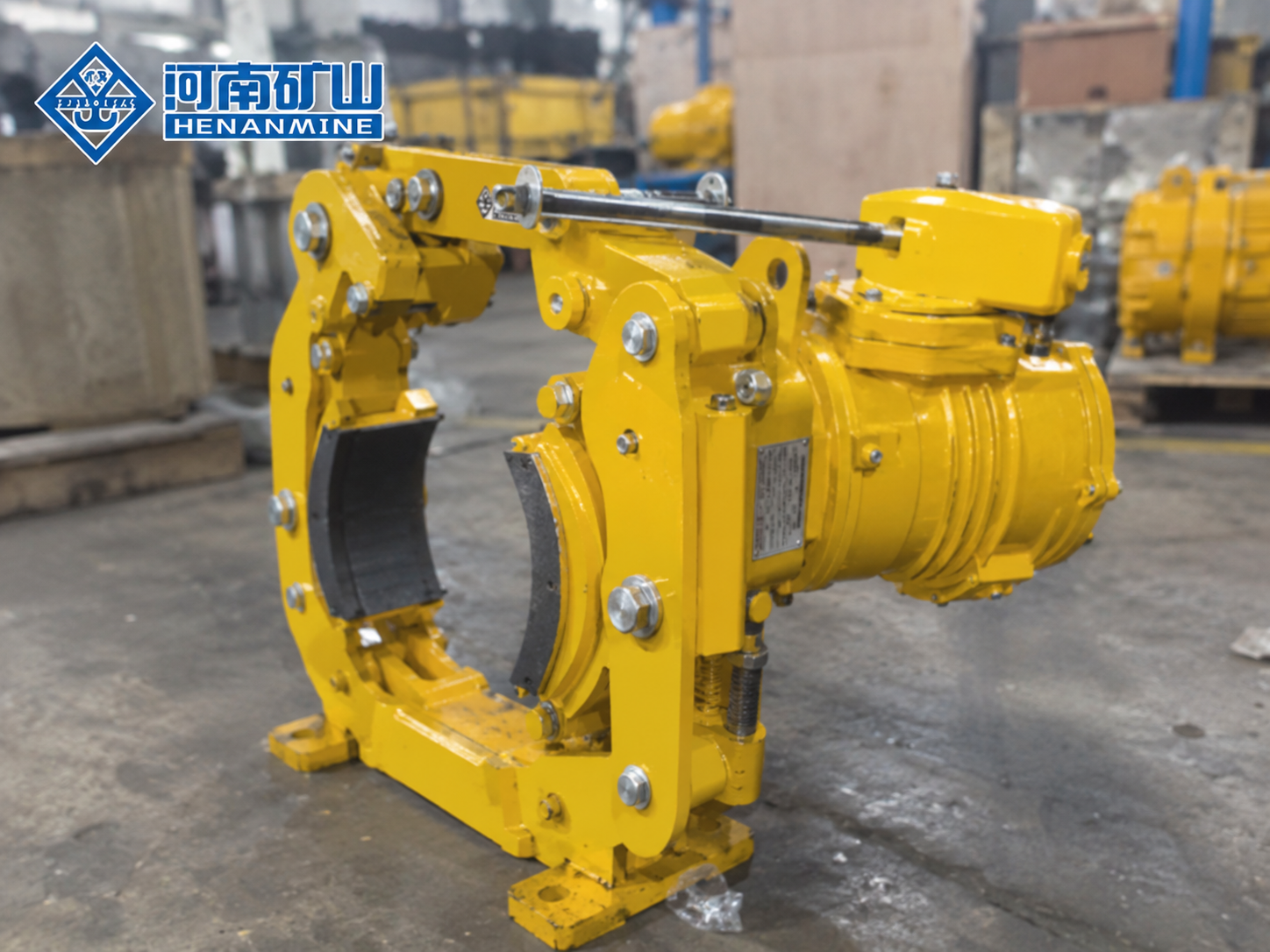
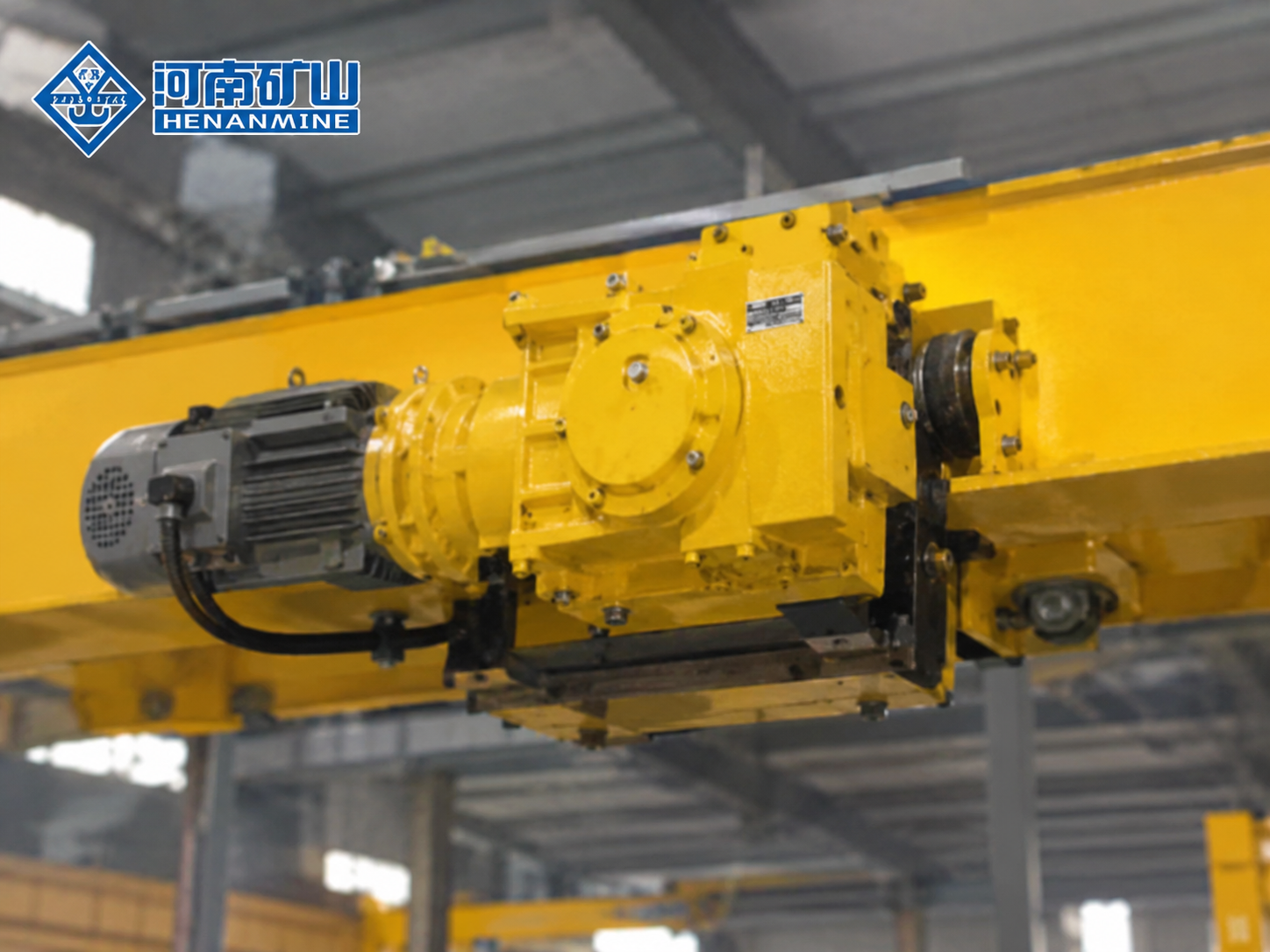
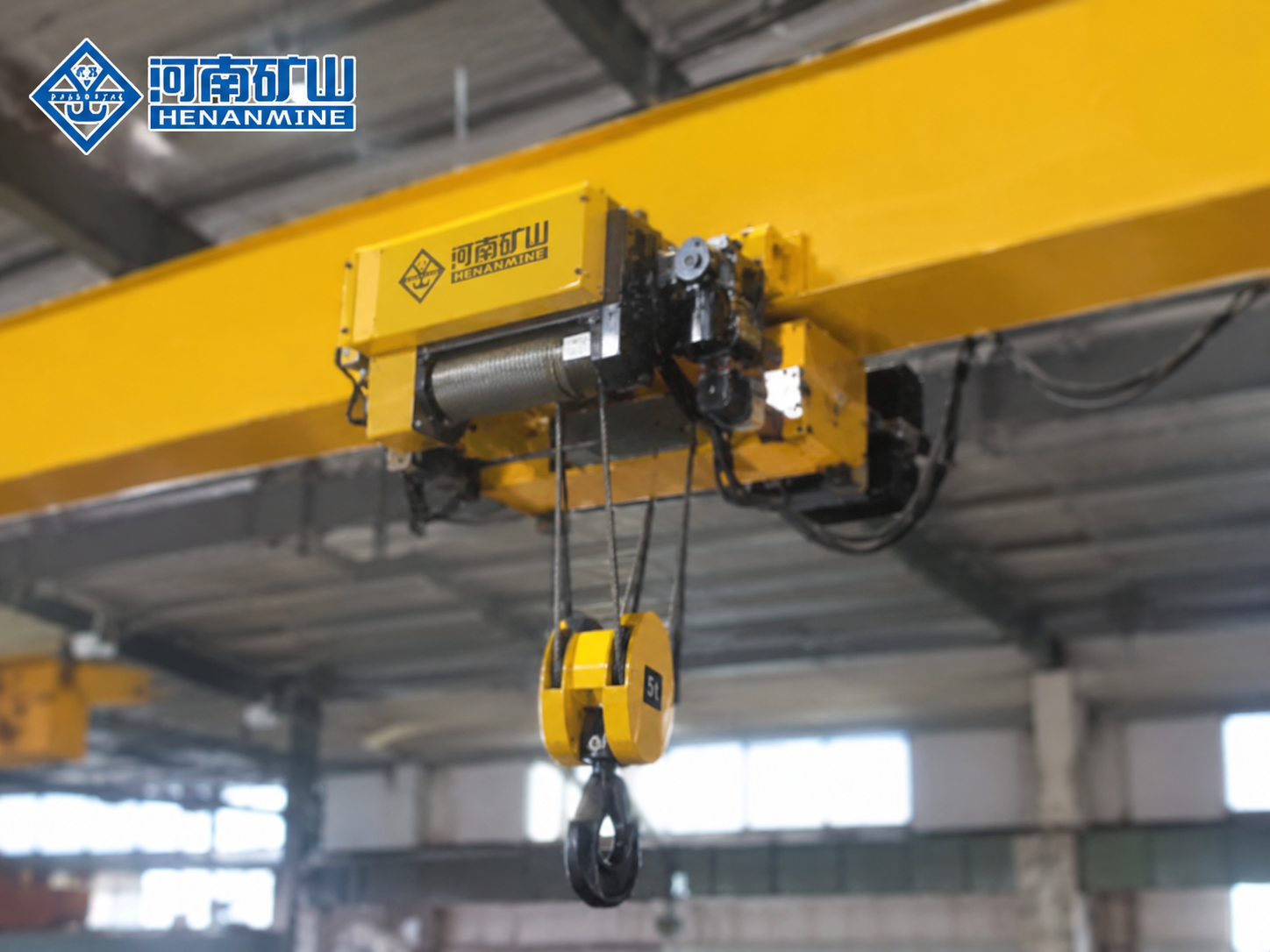
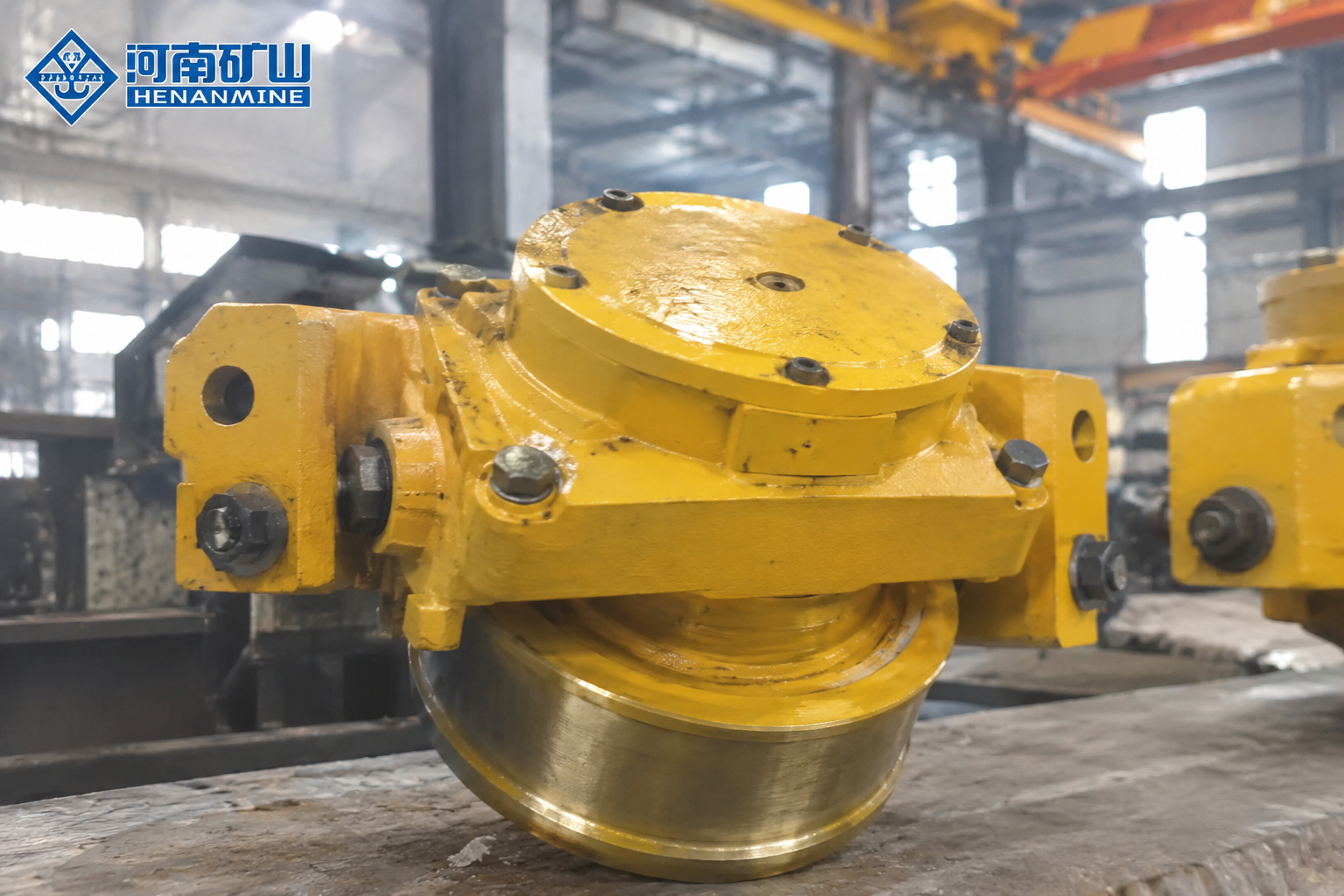
FAQ:
Q:How do I choose the lifting capacity and span of a European single girder overhead crane?
A:The lifting capacity should match the heaviest load to be handled, while the span should match the distance between the runway rails. The required lifting height, working duty, and available headroom should also be considered before the final crane configuration is selected.
Q:Can a European single girder overhead crane be used in a low-headroom workshop?
A:Yes, a suitable low headroom configuration can be considered when the available building height is limited. The actual hook height depends on the runway elevation, girder dimensions, hoist arrangement, and required hook approach.
Q:How can I check the wheel load of a European overhead crane for an existing workshop?
A:The crane supplier needs the rated capacity, span, crane self-weight, wheel arrangement, and relevant structural drawings to calculate the wheel reactions. The existing runway beams and supporting structure must then be checked by a qualified structural engineer.
Q:Can a European single girder overhead crane be customized to fit existing workshop dimensions?
A:Yes, the crane can be evaluated for customization according to the available span, lifting height, headroom, runway layout, working duty, and control requirements. Feasibility depends on the actual building conditions and the applicable design requirements.
Electric single girder European Hoist Type Overhead Crane could be widely used to handle materials in many industries' workshop and warehouse. Such as machinery manufacture, warehouse, logistic, food, paper making, electronics industries workshop and other material handling situations.
As the core component of driving mechanism, reducer gear pair with hard tooth surface and high accuracy, together with steel reel, forged wheel and variable-frequency speed regulating system, which makes this type of crane become renewal product of traditional general bridge crane and applied in industry of machinery production, assembling, petrochemicals, warehouse logistics, electric power construction, papermaking and railways.
Based on bringing in and assimilating foreign advanced technology, this typeof crane takes modular design theories as guidance, uses modern computer technology as means, introduces optimized and reliable design methods, whichis new type of crane made by employing import configuration, new material and technology and has features in light-weight, generalizing, energy-conservation and environmental protection, maintenance free and high technology content.


